Posts by plushmills
The Many Health Benefits of Volunteerism
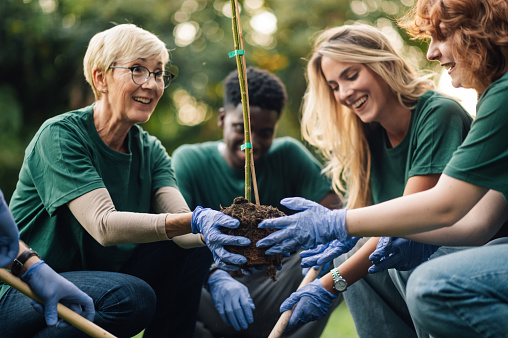
As an older adult, volunteering can be especially rewarding for both your health and your sense of purpose. Staying active through volunteer work—whether helping at a local library, tutoring students, or assisting at a food pantry—keeps your body moving, supports cardiovascular health, and helps maintain strength and flexibility. Even light physical activity incorporated into volunteer…
Read MoreCan Dementia be Hereditary?
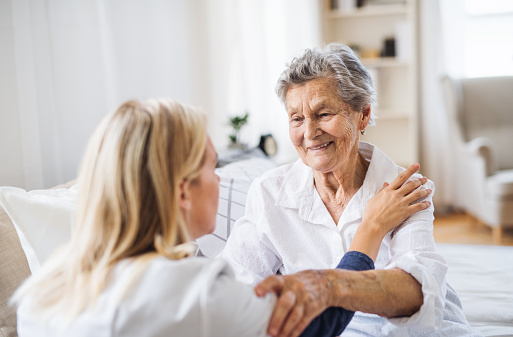
Dementia can sometimes be hereditary, but in most cases, it is not directly passed down from parent to child. The most common form of dementia, Alzheimer’s disease, is typically influenced by a combination of age, lifestyle, and environmental factors rather than a single inherited gene. While having a family member with dementia may increase a person’s…
Read MoreThe Benefits of Mindfulness Exercises

Mindfulness exercises offer meaningful benefits for seniors by helping them stay present, calm, and more connected to their daily experiences. Simple practices like focused breathing, gentle body awareness, or quiet reflection can reduce stress and promote a sense of inner peace. As people age, they often face changes in health, routine, or independence, and mindfulness…
Read MoreCan Multivitamins Improve Cognition?

For seniors, maintaining optimal brain health is a key factor in preserving independence and quality of life, and multivitamins may play a supportive role. Certain vitamins and minerals, such as B-complex vitamins, vitamin D, vitamin E, and antioxidants like zinc and selenium, are essential for proper nerve function, neurotransmitter production, and protection against oxidative stress.…
Read MoreThe Many Benefits of Social Relationships for Seniors
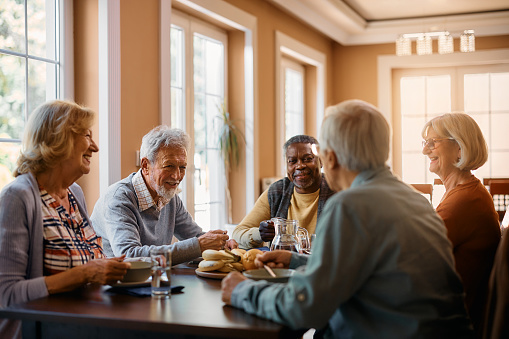
Social relationships play a vital role in supporting the overall health and well-being of older adults. As people age, life transitions such as retirement, relocation, or the loss of loved ones can lead to increased isolation. Maintaining meaningful connections with friends, family, and community members helps counteract loneliness and provides a sense of belonging and…
Read MoreNo Time to Visit the Gym? Try These at Home Options Instead
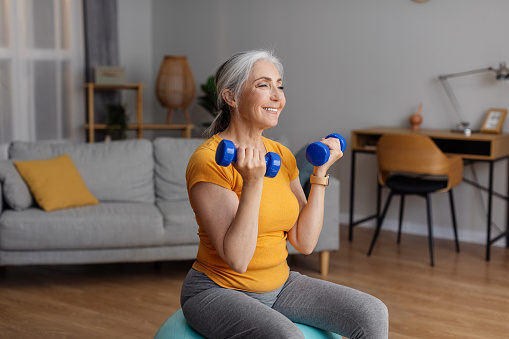
For older adults who can’t make a trip to the gym or who prefer to exercise at home, there are many effective workouts that are safe, convenient, and require little to no equipment. Low-impact cardio can be done in small spaces and helps improve heart health without stressing the joints. Marching in place, gentle step-ups…
Read MoreCould a Nasal Swab Someday Help Detect Alzheimer’s?
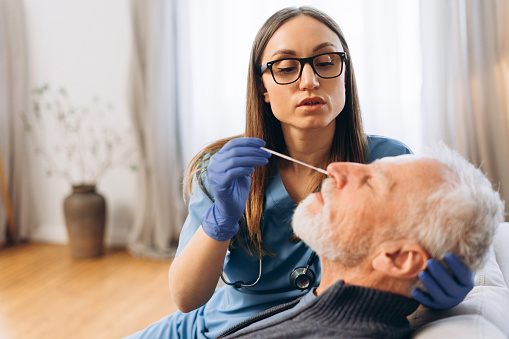
A new study published in Nature Communications suggests that a simple nasal swab could one day become a powerful tool for detecting Alzheimer’s disease in its earliest stages—potentially years before memory loss or cognitive symptoms begin. Researchers found that cells collected from deep inside the nasal cavity, where smell-related nerve cells reside, may carry early biological signals of the…
Read MoreHow Medication Can Impact Your Sleep
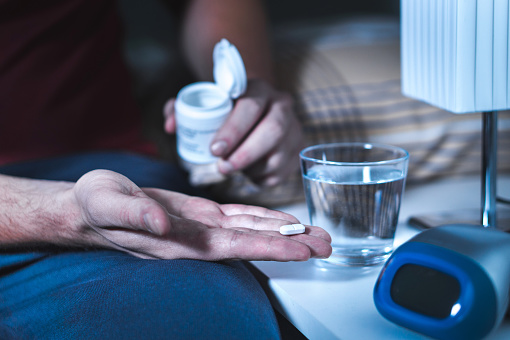
Sleep can become more sensitive with age, and certain medications commonly prescribed to older adults may interfere with healthy sleep patterns. Stimulant medications, including some used for attention disorders or breathing conditions, can make it harder to fall asleep or stay asleep. Decongestants found in many cold and allergy remedies can also stimulate the nervous…
Read More