
The Many Benefits of Social Relationships for Seniors
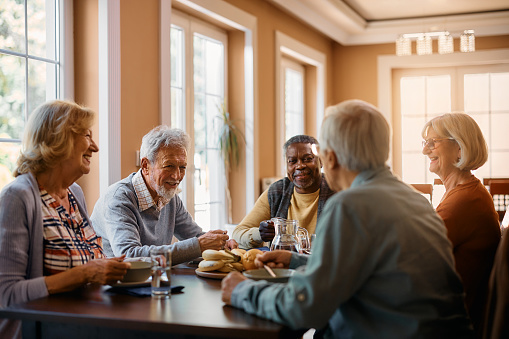
Social relationships play a vital role in supporting the overall health and well-being of older adults. As people age, life transitions such as retirement, relocation, or the loss of loved ones can lead to increased isolation. Maintaining meaningful connections with friends, family, and community members helps counteract loneliness and provides a sense of belonging and purpose. These relationships offer emotional support during times of change, helping seniors feel valued, understood, and less alone in their experiences.
Beyond emotional benefits, strong social ties are closely linked to improved physical health in seniors. Studies have shown that individuals with active social lives often experience lower rates of chronic illness, reduced stress levels, and even longer life expectancy. Engaging in social activities—whether it’s group exercise classes, volunteer opportunities, or shared meals—encourages movement, mental stimulation, and healthier daily habits. Simply having regular interactions can motivate seniors to stay active and maintain routines that support their overall wellness.
Cognitive health is another area where social connection makes a meaningful impact. Conversations, games, and shared experiences stimulate the brain, helping to preserve memory and reduce the risk of cognitive decline. Socially engaged seniors are more likely to stay mentally sharp, as interaction requires listening, processing, and responding—key functions that keep the mind active. In contrast, prolonged isolation has been associated with increased risk of conditions such as depression and dementia.
Equally important is the sense of purpose that social relationships can provide. Whether through mentoring younger generations, participating in community events, or simply being part of a friend group, seniors often find renewed meaning in their daily lives through connection. Feeling needed and appreciated contributes to higher self-esteem and a more positive outlook on aging. These interactions reinforce the idea that aging does not diminish one’s ability to contribute, but rather offers new opportunities for engagement and fulfillment.
Fostering social relationships doesn’t have to be complicated—it can start with small, consistent efforts. Regular phone calls, attending local events, joining clubs, or participating in community programs can all make a significant difference. For seniors, building and maintaining these connections is not just about staying busy—it’s about creating a supportive network that enhances quality of life, promotes health, and brings joy to everyday living.
For more information on the benefit of social relationships for seniors, from the Mayo Clinic, CLICK HERE.